Harper Lange · 2 September 2026
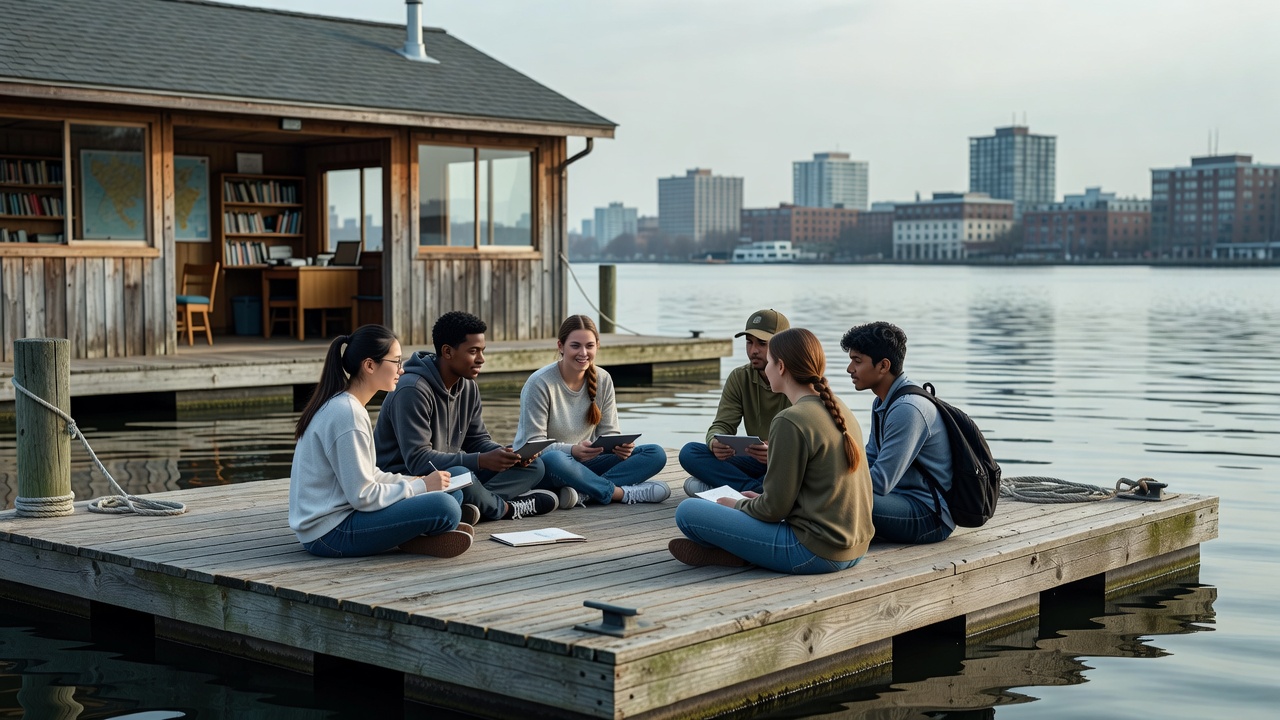
Recent studies conducted by educational researchers have established a clear link between dockside learning environments and decreased stress levels in students. The findings suggest that proximity to calm waterfront areas can foster better emotional regulation and focus during academic activities.
Study Methodology and Results
The research involved over 450 participants across multiple institutions, utilizing wearable sensors to track physiological markers such as heart rate variability and cortisol concentrations. Sessions took place in both traditional classrooms and specially designed dockside pavilions equipped with natural ventilation and minimal visual distractions. Data analysis revealed a 28 percent average reduction in stress indicators for students in dockside settings compared to indoor controls. Follow-up surveys indicated improved self-reported mood and concentration, with effects persisting for several hours after exposure. Researchers controlled for variables including weather conditions, group size, and prior academic performance to ensure reliability of outcomes.
Additional observations noted enhanced collaborative behaviors among participants in these spaces, attributed to the soothing auditory environment of gentle water movement. The study spanned two academic semesters and incorporated diverse age groups from secondary to higher education levels.
Broader Educational Implications
These results carry significant weight for curriculum planners seeking evidence-based approaches to mental health support. Institutions may consider integrating periodic outdoor sessions near water bodies as part of standard scheduling to mitigate exam-related anxiety. Cost-effective adaptations, such as portable seating and shaded structures, could replicate benefits without major infrastructure investments. Experts emphasize the need for further longitudinal research to assess long-term impacts on academic achievement and retention rates. Overall, the evidence supports thoughtful incorporation of natural elements into learning designs to promote student well-being across varied educational contexts.