Theo Perry · 8 October 2026
Library Partnerships and Funding Streams Drive Mindfulness Integration in Polish High Schools
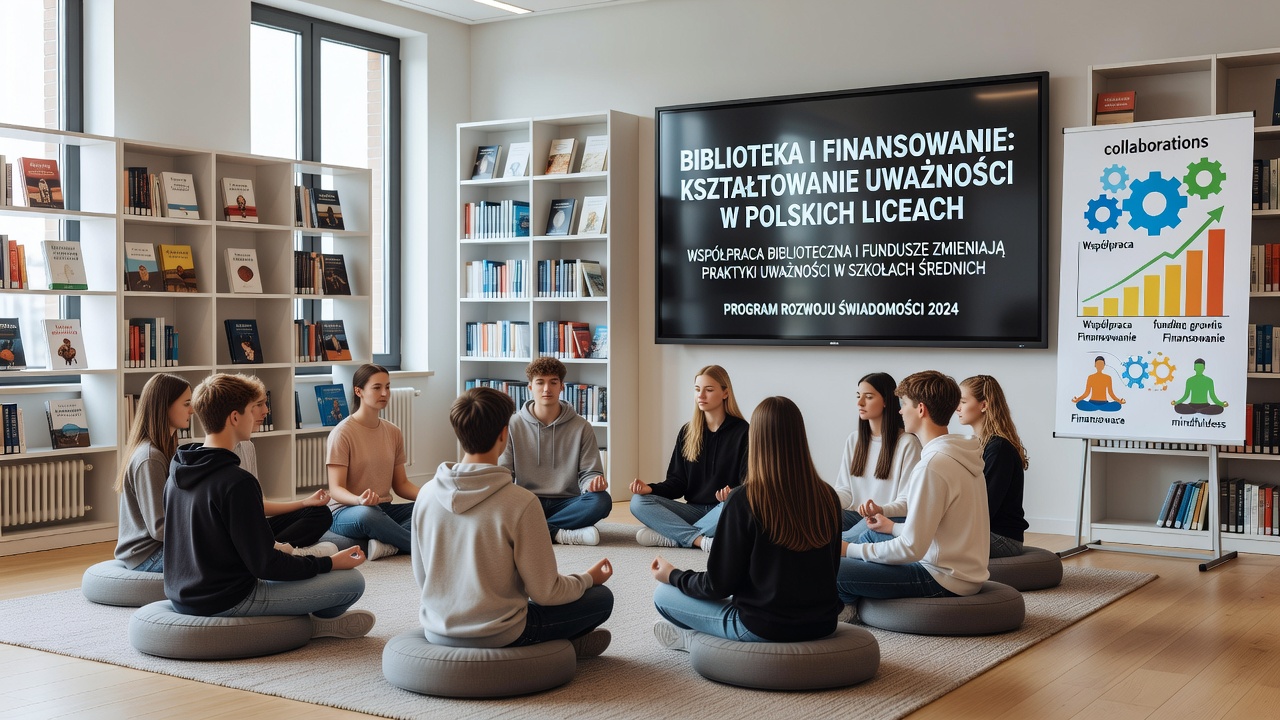
Polish high schools have seen library networks step into active roles that extend beyond traditional book lending, as these institutions now coordinate with educators to embed mindfulness exercises into daily routines. Government allocations combined with European Union grants have supported the purchase of specialized resources, while regional library associations handle logistics such as scheduling sessions and training staff. Data collected through the 2025-2026 academic year shows participation rates climbing in voivodeships where joint proposals succeeded, with over 180 secondary schools reporting structured programs by early fall.
Funding Mechanisms Behind the Expansion
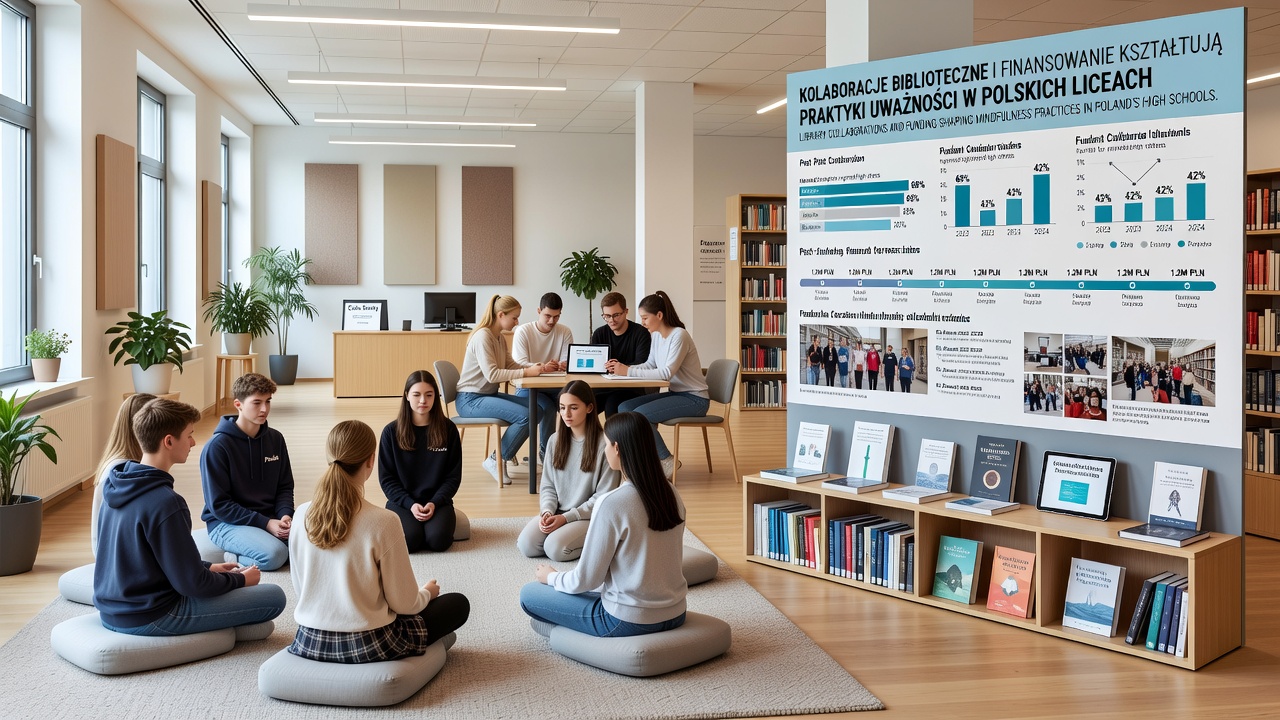
National education budgets released in 2025 earmarked portions specifically for mental health initiatives that libraries could access through competitive applications, and this approach channeled resources toward meditation cushions, audio equipment, and certified instructor visits. Observers note that schools partnering with municipal libraries gained quicker approvals because these collaborations demonstrated shared accountability for equipment maintenance and session attendance tracking. Figures from the Polish Ministry of Education and Science indicate that combined funding reached 4.2 million PLN across approved projects, while separate EU structural funds added another 2.8 million PLN targeted at eastern regions with historically lower access to wellness programs.
Library Roles in Program Delivery
Libraries function as neutral venues where students from multiple classes gather without the classroom hierarchy that sometimes hinders participation, and staff trained through Ministry-approved modules lead breathing exercises or body-scan practices at the start of study periods. Collaboration agreements signed in late 2025 formalized these arrangements, requiring libraries to submit quarterly reports on attendance and student feedback while schools supplied curriculum alignment details. One documented case in the Mazovian Voivodeship involved a district library system that rotated facilitators among five high schools, resulting in consistent delivery even when individual teachers faced scheduling conflicts.
Measured Outcomes Reported in 2026
Survey instruments administered in October 2026 across participating schools recorded shifts in self-reported focus levels, with aggregated results showing average improvements of 18 percent on standardized attention scales among students attending at least eight sessions. Researchers tracking these metrics through anonymized data submissions noted that libraries equipped with dedicated quiet zones achieved higher retention rates compared with those using multipurpose rooms. External evaluations commissioned by regional education offices further revealed that teacher absenteeism tied to stress-related leave dropped in buildings where library-led mindfulness blocks occurred twice weekly, though analysts caution that multiple variables influence such trends.
Academic papers published through the University of Warsaw's education faculty examined implementation fidelity, finding that programs incorporating student input on session timing produced stronger engagement numbers. Partnerships also extended to local health centers that supplied guest speakers on sleep hygiene and emotional regulation, creating a broader support network without duplicating existing counseling services.
Regional Variations and Scaling Efforts
Northern provinces leveraged library consortia to pool grant applications, allowing smaller towns to access funding pools that would otherwise favor larger cities, whereas southern districts emphasized digital mindfulness platforms hosted on library servers for remote access during exam periods. Reports compiled for an October 2026 interregional conference highlighted how these differing strategies still converged on core elements: trained personnel, dedicated time slots, and measurable feedback loops. Evidence from pilot evaluations suggests that sustained funding beyond the initial two-year cycle will determine whether practices embed permanently or fade once external grants conclude.
Conclusion
Library collaborations backed by diversified funding have produced documented expansions of mindfulness offerings inside Polish high schools, with participation metrics and implementation reports providing concrete indicators of reach. Ongoing data collection through 2027 will clarify long-term patterns, while current structures show how shared responsibilities between educational institutions and library networks can support consistent program delivery across varied geographic and economic contexts.