Harper Griffin · 22 October 2026
Polish Classroom Redesign Trials Highlight Ties to Teacher Health Over Extended Periods
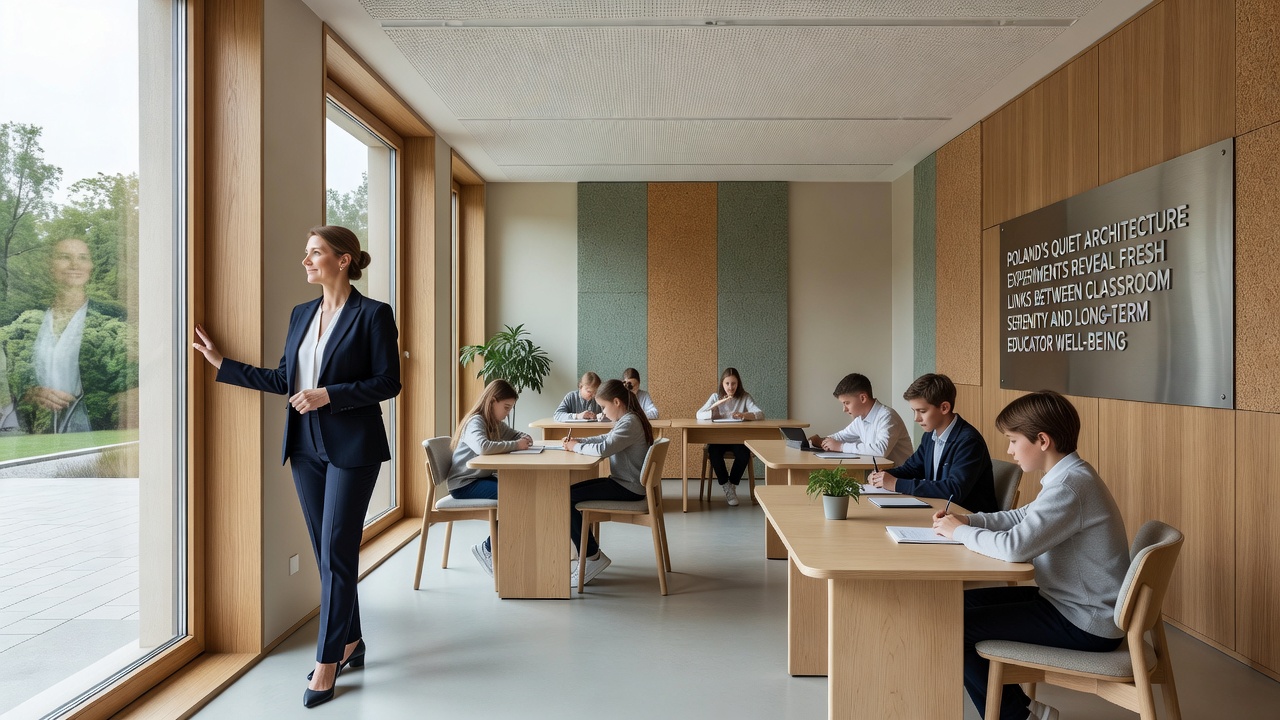
Polish education authorities have launched targeted architecture experiments in select schools since early 2024, focusing on elements that promote acoustic calm and visual simplicity, adn researchers continue to track how these changes affect educator experiences across multiple years. Data collection now extends into October 2026, when additional longitudinal reports are scheduled for release from participating institutions in Warsaw and Kraków. Schools involved have incorporated sound-dampening materials, adjustable lighting systems, and minimal visual clutter, creating environments where daily noise levels drop measurably below standard classroom averages.
Experiment Setup and Regional Rollout
Teams from several Polish technical universities partnered with local education boards to select twenty pilot sites, each receiving modifications based on acoustic engineering principles rather than aesthetic trends alone. Measurements taken before and after installation showed average decibel reductions of twelve to fifteen points during peak instructional hours, while educators reported using fewer voice amplification tools as a direct result. These modifications took place in both urban secondary schools and smaller rural facilities, allowing observers to compare outcomes across different building ages and student populations.
One study group tracked participants through wearable stress monitors and periodic surveys, revealing that teachers in modified spaces maintained steadier heart-rate variability patterns during the school day compared with control groups. Follow-up assessments at the six-month and twelve-month marks indicated sustained differences, particularly in self-reported recovery times after high-demand periods such as exam weeks.
Data Patterns Emerging from Ongoing Monitoring
Records compiled through 2025 and into 2026 demonstrate correlations between the presence of quiet zones and lower rates of extended sick leave among staff. Figures released by the Polish Ministry of Education show a nine percent decrease in stress-related absences at pilot locations versus national averages for similar institutions. Researchers attribute part of this shift to reduced auditory fatigue, noting that reverberation times fell below 0.8 seconds in the redesigned rooms after treatment.
Additional variables under review include access to small adjacent reflection areas and the integration of living plant screens that further absorb sound while improving air quality readings. When these features combined, participants described steadier energy levels across full teaching schedules, though investigators emphasize that individual responses vary according to prior experience and class size.
Links to Long-Term Educator Metrics
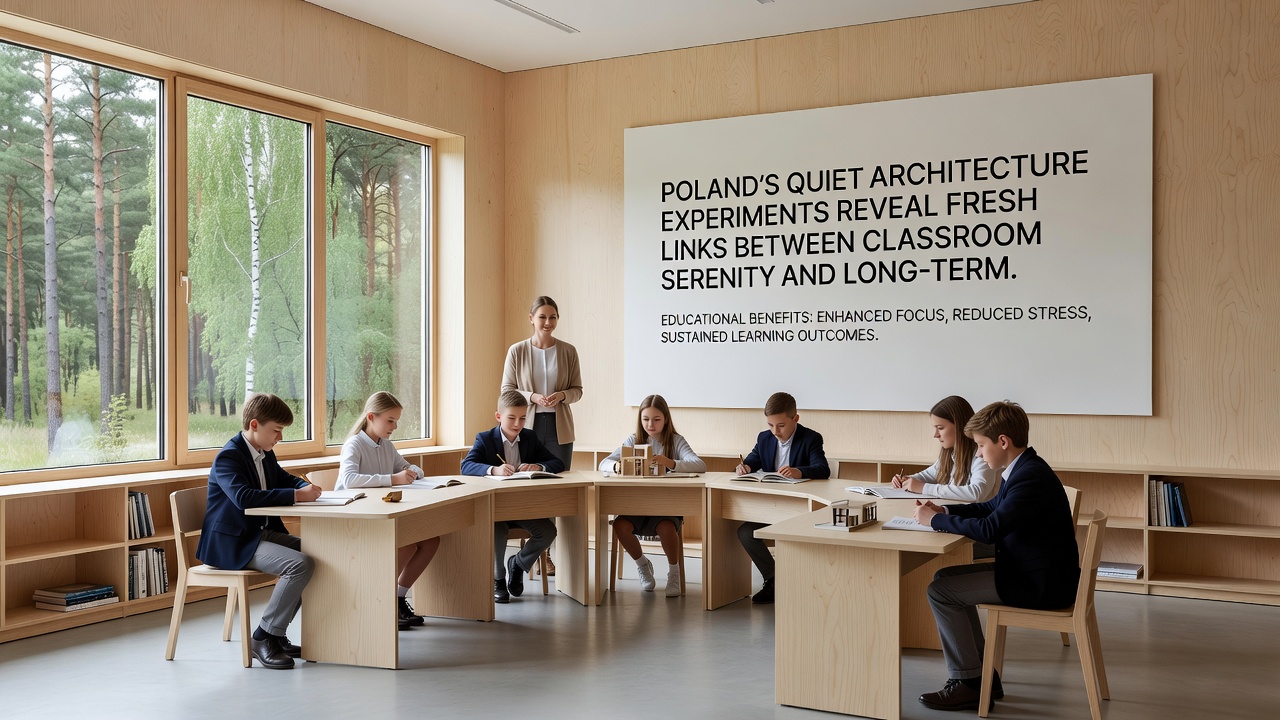
Extended tracking now covers two full academic cycles, allowing analysts to examine whether initial gains in daily comfort translate into measurable differences in career duration and overall health indicators. Preliminary cross-referencing with national health registries suggests teachers at experiment sites consult mental health services at slightly lower frequencies than matched peers, yet researchers caution that multiple external factors remain under study. A parallel project at the University of Łódź examines sleep quality logs submitted by the same cohort, finding modest improvements in reported restfulness on weekday evenings.
According to findings shared through the OECD education database, similar environmental adjustments in other member countries have produced comparable short-term focus gains, while longer-term retention data continue to accumulate. Polish teams have aligned their measurement protocols with those international standards to facilitate future comparisons.
Implementation Challenges and Adjustments
Facility managers encountered initial hurdles when retrofitting older structures, including the need to balance heritage preservation requirements with modern acoustic upgrades. Solutions ranged from modular wall panels that could be removed without damage to concealed ceiling treatments that preserved original ceiling heights. Budget allocations from regional funds covered the majority of costs, with some districts supplementing through private donations earmarked for educator support initiatives.
Training sessions helped staff adapt daily routines to the new spaces, such as repositioning group activities to take advantage of the calmest corners. These sessions, delivered by architecture consultants and occupational health specialists, emphasized practical adjustments rather than theoretical design concepts.
Next Steps in Research Timeline
October 2026 marks the midpoint for the full five-year evaluation cycle, at which point expanded cohorts from additional voivodeships will join the dataset. Plans include integration of biometric data from a broader sample and collaboration with European research networks focused on workplace well-being. Investigators expect to publish detailed comparative analyses once the new schools complete their first semester of modifications.
Conclusion
Poland's ongoing architecture experiments continue to generate records that connect specific classroom modifications to measurable aspects of educator experience across multiple years. As monitoring extends through late 2026 and beyond, the accumulated evidence offers further opportunities to examine how environmental factors interact with professional longevity in education settings. Additional reports scheduled for release will clarify the strength and consistency of these patterns across diverse school contexts.