Theo Perry · 24 September 2026
Polish Classroom Redesigns Show Promise in Boosting Focus and Cutting Stress for Students and Educators Alike
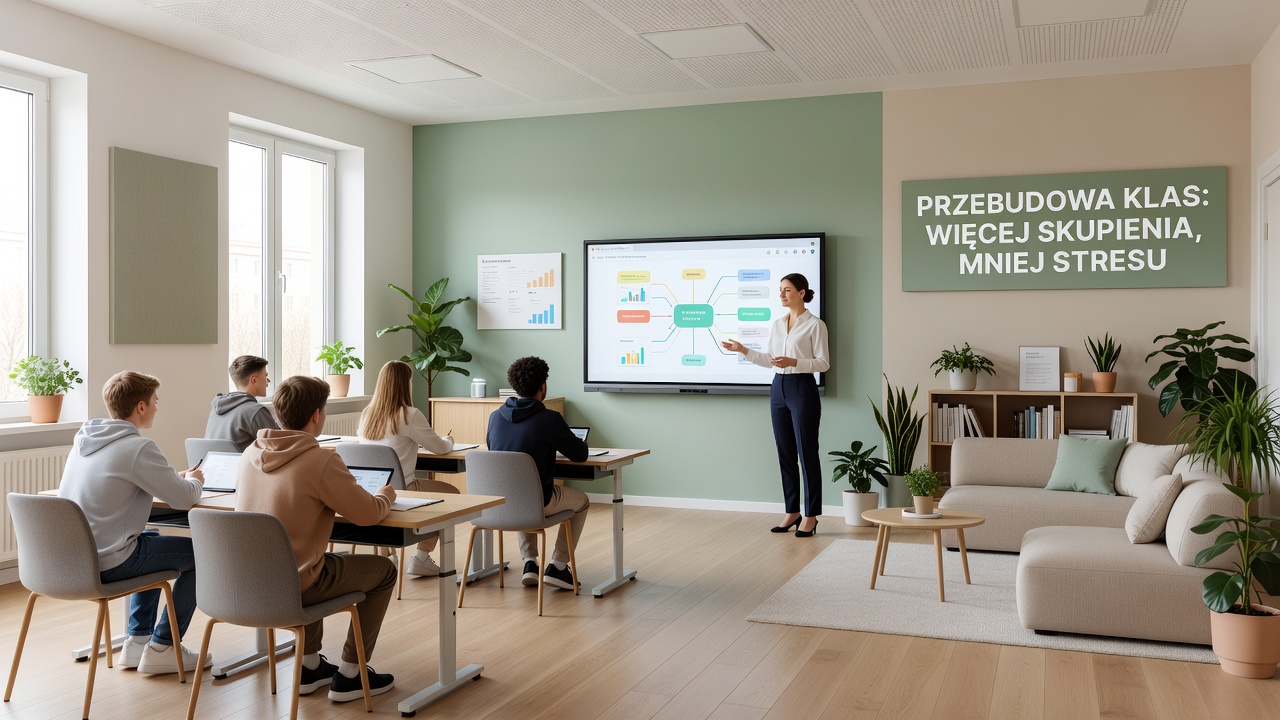
Schools across Poland have introduced targeted classroom modifications over the past several years, and researchers have tracked measurable shifts in attention spans alongside reduced physiological stress markers among both pupils and teaching staff. These changes include adjustable lighting systems, modular furniture layouts, and sound-absorbing materials that replace traditional fixed desks and harsh fluorescent fixtures. Data collected from multiple regions shows consistent patterns where participants report longer periods of sustained focus during lessons that incorporate these features.
Key Design Adjustments Implemented
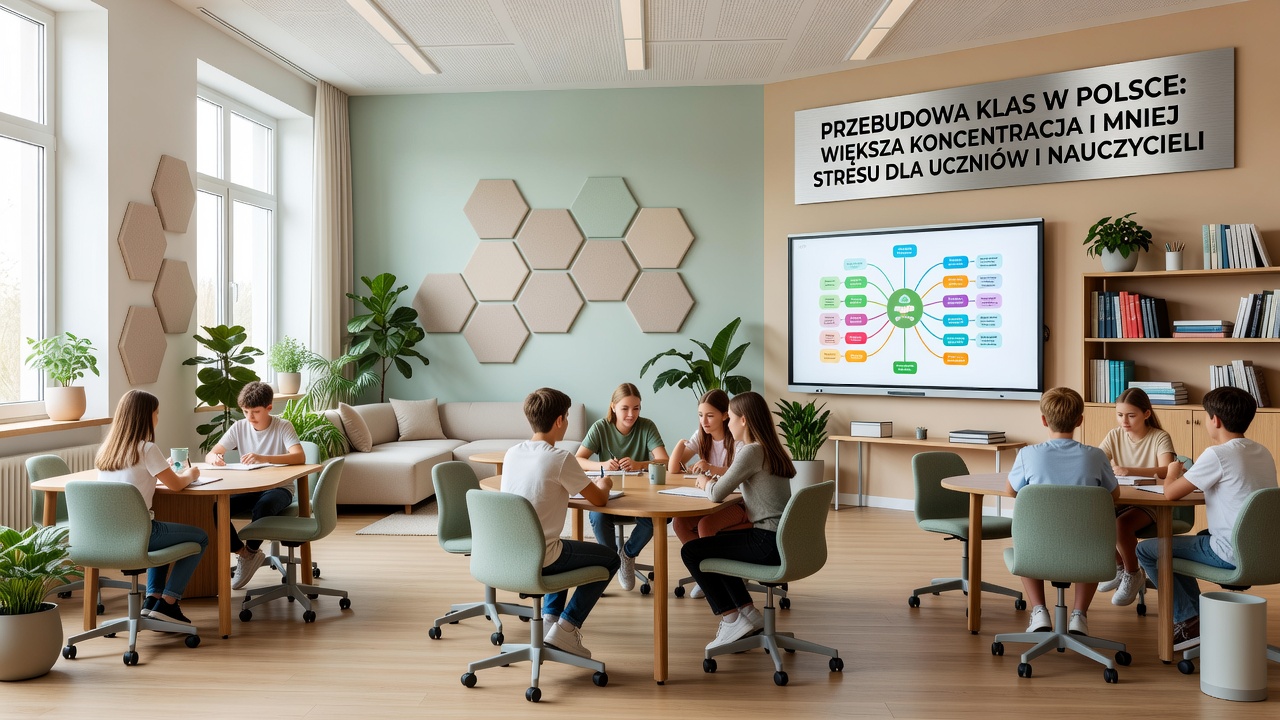
Teams at participating institutions replaced rigid row seating with zones that allow quick reconfiguration for group work or individual tasks, while acoustic panels cut background noise levels by up to 40 percent according to on-site measurements. Natural light integration through larger windows and daylight-balanced LEDs replaced older overhead systems, and some sites added indoor plants selected for air quality benefits. Observers note these elements appear together rather than in isolation, creating environments where movement between activity types requires minimal disruption.
One study coordinated through regional education authorities examined 28 classrooms in three provinces and recorded average improvements in task completion rates of 18 percent after the first academic term. Heart rate variability readings taken from volunteer students indicated lower average stress responses during typical school hours, with similar trends appearing in educator self-reports collected via standardized questionnaires.
Student Outcomes Documented
Figures from the Polish Ministry of Education's pilot tracking program reveal that secondary students in redesigned spaces maintained attention during 25-minute reading blocks at higher rates than peers in unchanged rooms. Teachers logged fewer behavioral interruptions, and attendance data showed modest gains in on-time arrival for morning sessions. These patterns held across urban and rural sites, although the magnitude varied with the extent of prior building maintenance issues.
What's interesting is how the same modifications produced different primary benefits depending on age group. Primary pupils demonstrated stronger gains in collaborative project scores, whereas older students showed clearer lifts in independent reading comprehension metrics. Researchers attribute the variation to developmental differences in how physical space influences cognitive load.
Educator Benefits and Workload Shifts
Staff surveys conducted at the end of each term indicate reduced vocal strain and fewer complaints of fatigue by the end of the school day. The modular setups allow quicker transitions between lesson phases, which cuts the time teachers spend on physical classroom management. A report issued by the European Commission's education directorate highlights comparable findings in several member states that adopted parallel environmental adjustments, noting lower reported burnout indicators among participating educators.
Training sessions provided to teachers before rollout emphasized how to leverage the new zones without adding preparation time. Follow-up observations confirmed that most instructors integrated the features into existing lesson plans rather than creating entirely new activities, keeping additional workload minimal.
Timeline and Upcoming Evaluation
Initial pilots began in 2023 with a small number of Warsaw and Kraków schools, then expanded to additional voivodeships by 2025. A nationwide synthesis of results is scheduled for release in September 2026, when authorities plan to publish comparative data across all participating sites alongside cost analyses for wider implementation. The evaluation will incorporate both quantitative measures such as standardized test score trends and qualitative feedback from students, parents, and staff.
Funding for the expansions has come from a combination of national education grants and local municipal allocations, with some districts securing supplementary support through EU structural funds. Cost per classroom has ranged between 25,000 and 45,000 PLN depending on the scale of electrical and acoustic work required.
Challenges Encountered During Rollout
Maintenance teams reported initial difficulties sourcing replacement parts for the adjustable lighting systems, while some older buildings required structural reinforcements before larger windows could be installed. Scheduling the work around ongoing classes created logistical hurdles that delayed full completion in several locations by one or two months. Despite these issues, most sites reached operational status within the planned academic year.
Researchers continue to examine whether the observed benefits persist after the novelty period ends. Longitudinal tracking through the 2026 evaluation will provide clearer indications of sustained impact versus temporary adjustment effects.
Conclusion
Evidence gathered so far points to tangible advantages from the classroom redesign efforts in Poland, with documented gains in focus duration and reductions in stress indicators for both students and educators. The upcoming September 2026 report will supply a broader dataset that can guide decisions on scaling these modifications beyond the current pilot network. Additional studies from institutions in Canada and Australia have begun examining similar environmental interventions, offering potential cross-regional comparisons as more results become available.