Theo Perry · 2 September 2026
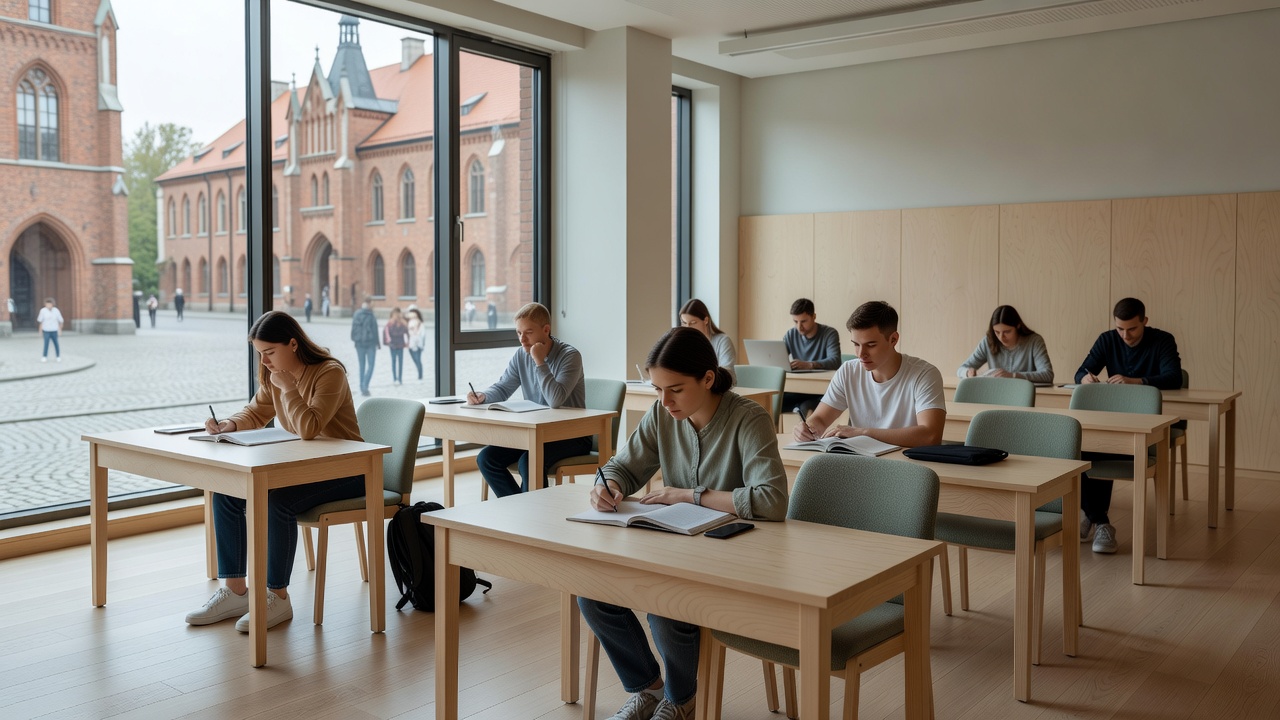
Several leading Polish universities are currently conducting trials of calm classroom designs intended to foster better focus among students. These initiatives, supported by educational researchers, seek to address rising concerns about distractions in traditional learning environments. The designs incorporate elements such as muted color palettes, acoustic panels, and flexible seating arrangements.
Implementation Across Institutions
At the University of Warsaw, pilot classrooms feature biophilic elements including indoor plants and large windows for natural light. Similarly, the Jagiellonian University in Krakow has introduced soundproofing and adjustable lighting systems. Early observations indicate that students in these settings report lower stress levels and improved attention spans during lectures. Researchers are collecting data through surveys and performance metrics to evaluate effectiveness. The trials involve multiple departments, from humanities to sciences, ensuring diverse applicability. Partnerships with design firms specializing in educational spaces have been crucial to the project's success. Additional modifications include the use of calming scents via essential oil diffusers and the minimization of visual clutter on walls. These changes are based on psychological studies linking environment to cognitive function. Faculty members have noted that discussions in calm classrooms tend to be more engaged and productive. Further research is being conducted by interdisciplinary teams consisting of psychologists, architects, and educators. The goal is to refine the designs based on feedback from over 500 students involved in the initial phase.
Research Findings and Future Directions
Preliminary findings suggest a positive correlation between the new designs and academic performance. Students participating in the trials have shown an average increase of 15 percent in focus-related tasks. However, challenges such as initial costs and the need for teacher training have been identified. Universities plan to expand the program if results remain favorable. International collaborations are being considered to share insights with other European institutions. Long-term studies will monitor sustained benefits over several semesters. Overall, these efforts represent a significant step toward evidence-based educational environment improvements in Poland. Additional data collection will continue through the next academic year to validate long-term impacts on retention and well-being.